FOUNDING MASTER PLAN CAMPAIGN

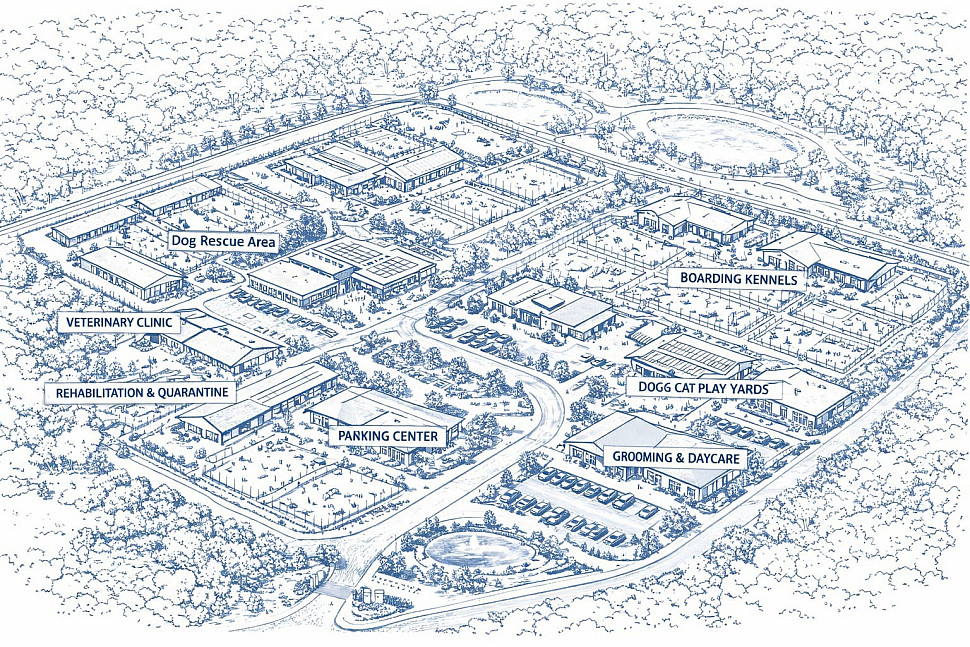
Designing the Future 2,000-Animal Rescue & Care Campus

A Vision for the Future of Animal Welfare

Across New York and the United States, thousands of dogs and cats live without stable shelter, veterinary care, or safe environments. Many municipal shelters operate beyond capacity, while volunteer rescue organizations struggle with limited infrastructure and resources.

New Human Right Inc. is launching a long-term initiative to develop a large-scale Animal Rescue & Care Campus on Long Island designed to provide humane shelter, veterinary care, rehabilitation services, and sustainable animal welfare infrastructure.

The proposed campus will serve up to 2,000 animals and combine both nonprofit rescue operations and professional animal care services.

The campus will include:

• Shelter capacity for 1,000 rescued animals (dogs and cats)
• Veterinary and rehabilitation facilities
• Quarantine and medical treatment units
• Secure open-yard environments for humane animal care
• Adoption and volunteer support infrastructure

In addition, the campus will include a 1,000-capacity professional pet boarding and care facility designed for pet owners who travel or require temporary care for their animals.

Revenue generated from these services will help support rescue operations and strengthen the long-term financial sustainability of the campus.

This hybrid model creates a balanced and self-sustaining animal welfare ecosystem, where compassionate rescue operations are supported by responsible service infrastructure.

Phase 1 — Master Plan Development

Before construction can begin, the project must complete the technical, environmental, and planning work required for a development initiative of this scale.

We are launching the Founding Master Plan Campaign to finance the professional planning and engineering required to transform this vision into a buildable project.

Campaign Goal: $750,000

This phase focuses entirely on designing and preparing the development framework for the future campus.

What This Phase Will Deliver

The Master Plan phase will create the comprehensive development blueprint that allows the project to move toward construction planning and major capital fundraising.

Funds raised during this campaign will support:

• Architectural campus master planning
• Land use planning for a 20–30 acre site
• Engineering studies and infrastructure planning
• Environmental compliance and regulatory analysis
• Zoning strategy and municipal approval preparation
• Site surveys and geotechnical analysis
• Preliminary construction planning documentation

At the conclusion of this phase, the organization will have a professional development framework ready for construction planning, contractor bidding, and future capital fundraising.

Master Plan Phase Budget

Architectural master plan development — $160,000

Engineering studies and infrastructure planning — $110,000

Environmental review and compliance — $80,000

Zoning and planning consultants — $90,000

Legal preparation and permitting support — $50,000

Site surveys and geotechnical studies — $90,000

Project coordination and development management — $100,000

Organizational administration and compliance — $70,000

Total Phase 1 Target: $750,000

A portion of the campaign supports the organizational infrastructure and project management capacity required to responsibly coordinate a complex development initiative involving engineering teams, environmental compliance, regulatory approvals, and development planning.

The Long-Term Vision

Once completed, the Animal Rescue & Care Campus will include:

• Rescue and rehabilitation space for 1,000 homeless animals
• A full veterinary treatment and surgery facility
• Adoption and community education center
• Secure outdoor exercise and enrichment yards
• Volunteer and training facilities
• A 1,000-capacity professional pet boarding center
• Modern sustainable infrastructure supporting animal health and welfare

The campus is designed to become one of the largest integrated animal rescue and care centers in the Northeastern United States.

Why This Project Matters

Homeless animals continue to face overcrowded shelters, limited veterinary care access, and unstable living conditions.

This project aims to:

• Provide humane shelter and rehabilitation
• Expand adoption opportunities
• Strengthen volunteer rescue networks
• Improve veterinary care capacity
• Create sustainable animal rescue infrastructure
• Support responsible pet care services for families

By combining nonprofit rescue operations with professional animal care services, the campus creates a model that is both compassionate and financially sustainable.

Support the Founding Phase

Support levels for this campaign include:

Founding Master Plan Sponsor — $200,000

Master Plan Patron — $100,000

Campus Builder — $50,000

Animal Guardian — $5,000

Community Supporter — Any contribution

Major supporters may be recognized in future campus donor installations and project acknowledgements.

Help Us Build the Blueprint

Every major development project begins with a plan.

Your support will help create the architectural and engineering blueprint required to move this vision forward.

By contributing to the Founding Master Plan Campaign, you help take the first step toward building a safe and sustainable future for thousands of animals.

Make a Contribution

Your donation today helps transform a vision into a buildable project.

Support the Founding Master Plan Campaign and help design the future of compassionate animal care.

Together we can build the foundation for a campus that protects animals, supports communities, and creates lasting impact.

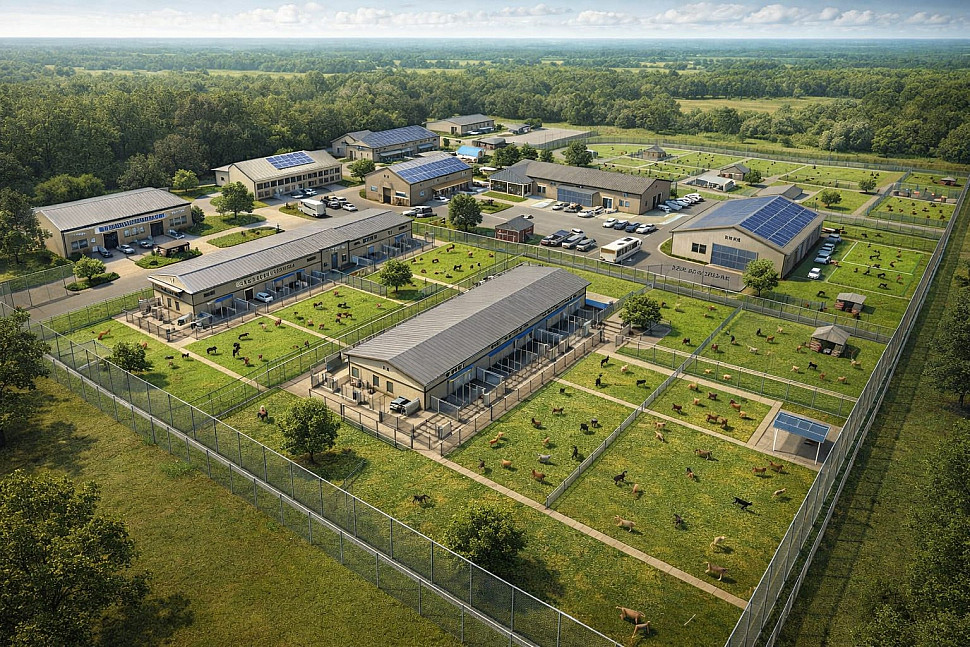
2,000-Animal Rescue & Care Campus – Long Island, NY

STEP 1 — LAND CONTROL

1.1 Site Identification

Target property size:

20–30 acres

Site requirements:

  • Agricultural / industrial zoning
  • Distance from dense residential clusters
  • Road access for service vehicles
  • Adequate utility access

Environmental checks:

  • FEMA flood zone verification
  • Wetlands verification (DEC NY)

1.2 Contract & Escrow

Purchase agreement including:

  • Due diligence clause
  • Environmental contingencies
  • Zoning feasibility clause

Typical contingency period:

90–180 days

1.3 Technical Due Diligence

Required studies:

  • ALTA Survey
  • Geotechnical soil investigation
  • Environmental Phase I
  • Topographic survey

Output:
Confirmed buildable development site

STEP 2 — ZONING & MUNICIPAL APPROVAL

2.1 Pre-Application Meetings

Meetings with:

  • Town Planning Board
  • Building Department
  • Fire Marshal
  • Zoning Department

2.2 Zoning Compliance

Possible requirements:

  • Use variance (if required)
  • Special use permit
  • Site plan approval

2.3 Environmental Review (SEQRA – NY)

Environmental review may require:

  • Environmental impact study
  • Traffic study
  • Noise analysis
  • Waste management planning

Output:
Preliminary site plan approval

STEP 3 — MASTER DESIGN PACKAGE

3.1 Architectural Programming

Total campus size:

150,000–180,000 sq ft

Program distribution:

Rescue Facilities

  • 600 dog rescue capacity
  • 400 cat rescue capacity
  • Veterinary hospital
  • Quarantine / isolation units
  • Adoption center

Boarding Facilities

  • Boarding kennels
  • Luxury pet suites
  • Grooming center
  • Daycare / training areas

Additional facilities:

  • Warehouse / food storage
  • Administrative building
  • Volunteer center
  • Service areas

3.2 30% Concept Design

Deliverables:

  • Site layout
  • Building footprints
  • Circulation and road layout
  • Utility routing concept
  • Yard and exercise zones

3.3 60% Design Development

Engineering integration:

  • MEP layouts
  • Drainage systems
  • HVAC zoning
  • Animal housing systems
  • Waste management systems

3.4 90% Construction Documents

Full technical documentation:

  • Architectural drawings
  • Civil engineering drawings
  • Electrical plans
  • Plumbing systems
  • Fire suppression systems

Output:
Complete bid-ready drawing package

STEP 4 — COST VALIDATION & VALUE ENGINEERING

4.1 Independent Cost Estimator

Review:

  • Cost per square foot
  • Material pricing
  • Construction contingencies

4.2 Value Engineering Review

Optimization options:

  • Structural systems
  • HVAC systems
  • Roofing systems
  • Phasing strategy

Output:
Guaranteed Maximum Price (GMP) target range

STEP 5 — RFP / CONTRACTOR SELECTION

5.1 Contractor Prequalification

Requirements:

  • Commercial General Contractor only
  • Experience with healthcare / veterinary / animal facilities
  • Bonded contractors

5.2 Issue RFP

Includes:

  • Full drawing set
  • Technical specification book
  • Bid schedule
  • Construction timeline
  • Insurance requirements

5.3 Bid Evaluation

Evaluation criteria:

  • Hard construction costs
  • Construction schedule
  • Subcontractor structure
  • Bonding capacity

5.4 Contract Award

Standard contract structure:

  • AIA contract format
  • GMP contract preferred

Output:
Signed construction contract

STEP 6 — PRE-CONSTRUCTION

Pre-construction phase includes:

  • Final permitting
  • Mobilization plan
  • Construction schedule (Critical Path Method)
  • Submittals and approvals
  • Procurement of long-lead items (HVAC, generators, steel)

STEP 7 — FULL BUILD EXECUTION

7.1 Site Work

  • Clearing
  • Grading
  • Utilities installation
  • Access roads
  • Drainage infrastructure

7.2 Foundations

  • Slab-on-grade industrial floors
  • Epoxy coatings
  • Drainage slopes

7.3 Structural Construction

  • Steel frame structures
  • Tilt-wall concrete (if required)
  • Snow-load compliant roofing

7.4 MEP Installation

  • Industrial HVAC systems
  • Plumbing
  • Fire suppression systems
  • Backup generators

7.5 Interior Build-Out

  • Kennel systems
  • Boarding suites
  • Isolation units
  • Veterinary rooms
  • Administrative finishes

7.6 Exterior & Security

  • Perimeter fencing
  • Exercise yards
  • Camera systems
  • Access control

STEP 8 — COMMISSIONING

System testing and certification:

  • HVAC balancing
  • Fire system testing
  • Generator load testing
  • Veterinary equipment installation
  • Health department approval

STEP 9 — OPERATIONAL READINESS

Final preparation:

  • Staff hiring
  • Staff training
  • Soft opening
  • Final inspection
  • Certificate of Occupancy

TOTAL PROJECT TIMELINE

Estimated development timeline:

Land acquisition to opening:
4–6 years

COST SUMMARY (Mid-Range Projection)

CategoryEstimated Cost
Construction $45M
Site Work $8M
MEP systems $10M
Equipment $6M
Soft Costs $12M

Total Target Budget

~$80M

CRITICAL RISKS

Potential project risks include:

  • Zoning approval delays (common in NY)
  • Environmental restrictions
  • Utility upgrade costs
  • Construction cost inflation
  • Community noise concerns
  • Permitting delays


PLAN 2,000-Animal Rescue & Care Campus - Long Island, NY

PROJECT OVERVIEW

Project Name: 2,000-Animal Rescue & Care Campus
Location: Long Island, NY (rural / agricultural zoning)
Capacity: Up to 2,000 animals total

  • 1,000 rescue animals (dogs + cats mix)
  • 1,000 paid boarding animals for pet owners requiring temporary care

Model: Secured open-yard campus + indoor climate-controlled rescue and boarding facilities

LAND REQUIREMENT

To safely support a 2,000-animal campus, the project will require:

  • 20–30 acres minimum
  • Agricultural / Industrial zoning
  • Distance from residential clusters
  • Suitable access for utilities, parking, and service traffic

Estimated Land Cost (Suffolk County):
$75,000–$200,000 per acre

25 acres average → $1.9M–$5M

Estimated land acquisition:
$2.5M–$6M

CONSTRUCTION COST ESTIMATE

This project cannot be built with simple sheds or temporary structures. It requires:

  • Climate-controlled kennel buildings
  • Dedicated cat housing buildings
  • Quarantine and isolation units
  • Veterinary clinic / treatment center
  • Administrative building
  • Storage and food warehouse
  • Boarding kennel buildings
  • Pet daycare / grooming facilities
  • Waste management system
  • Security and fencing
  • Drainage and stormwater systems

Approximate square footage:
140,000–180,000 sq ft total

Construction cost in Long Island:
$250–$450 per sq ft (commercial animal-care grade facility)

160,000 sq ft × $350 average = $56,000,000

Conservative construction range:
$42M–$65M

INFRASTRUCTURE COSTS

  • 8 ft perimeter fencing (high security): $700K–$1.5M
  • Internal fencing, yards, and circulation zones: $1M–$2M
  • Parking + driveway + service access roads: $700K–$1.2M
  • Utilities (water, septic, electric upgrades): $2M–$4M
  • Solar optional: $1M–$1.5M

Infrastructure total:
$5.4M–$10.2M

EQUIPMENT & SETUP

  • Kennels & enclosures: $2M–$4M
  • Veterinary equipment: $1M–$2M
  • Office equipment: $200K–$300K
  • Security system: $300K–$600K
  • Boarding equipment / pet suites / daycare systems: $1M–$2M
  • Transport vans (3–5): $250K–$500K

Equipment total:
$4.75M–$9.4M

TOTAL CAPITAL COST

CategoryEstimated Range
Land $2.5M–$6M
Construction $42M–$65M
Infrastructure $5.4M–$10.2M
Equipment $4.75M–$9.4M
Soft Costs / Professional Fees / Contingency $8M–$12M

TOTAL PROJECT ESTIMATE:

$62.65M – $102.6M

Realistic mid-range:
$75M–$85M

ANNUAL OPERATING COSTS

Now the serious part.

Staff (minimum)

  • Executive Director
  • Operations Manager
  • Veterinary team (3–5 vets)
  • 35–60 animal care staff
  • Boarding operations staff
  • Admin & fundraising staff
  • Maintenance & facility staff

Estimated payroll:
$4.5M–$7M annually

Food

Average $1.50–$2.50 per animal per day

2,000 animals × $2/day × 365 = $1,460,000 annually

Veterinary care

Vaccines, surgeries, emergency care, treatment, quarantine support

$1M–$2M annually

Utilities

Heating (NY winters), electric, water

$800K–$1.5M annually

Insurance

Liability + property + workers comp

$400K–$800K annually

Miscellaneous

Supplies, fuel, repairs, cleaning, waste management, operations

$1M–$2M annually

TOTAL ANNUAL OPERATING BUDGET

$9.2M – $14.8M per year

Safe projection:
$10M–$12M annually

REVENUE SUPPORT MODEL

Unlike a traditional rescue-only shelter, this campus includes a 1,000-capacity paid boarding business designed to help support long-term operations.

Potential revenue sources include:

  • Pet boarding
  • Daycare
  • Grooming
  • Training
  • Premium pet suites
  • Veterinary support services
  • Retail / pet supply sales

This hybrid model creates a more sustainable long-term structure by combining nonprofit rescue operations with revenue-generating animal care services.

FUNDRAISING REALITY

To sustain a project of this scale, the organization will need:

  • Major donors ($1M+ gifts)
  • Corporate sponsorship
  • Foundation grants
  • Capital campaign fundraising
  • Revenue from boarding operations
  • Endowment development
  • Strong marketing and donor infrastructure

Without a phased rollout and diversified support structure, the project would be financially unstable.

STRATEGIC TRUTH

Right now, the organization is in an early development stage and is still building its donor base, operating infrastructure, partnerships, and project execution capacity.

Launching a $75M+ campus immediately would not be financially credible without a phased strategy.

PROFESSIONAL RECOMMENDATION

If the long-term vision is a 2,000-animal campus, a phased approach is the most credible path:

Phase 1 – Master Plan / Site Control / Pilot Capacity

Budget: $500K–$1M

Phase 2 – Initial Rescue + Small Boarding Operations

Budget: $5M–$10M

Phase 3 – Expanded Rescue + Boarding Infrastructure

Budget: $15M–$25M

Phase 4 – Full 2,000-Animal Campus Completion

Budget: $50M+ total development scale


Program Title:

Urban Nature & Community Eco-Impact Program

Purpose:

To improve environmental health and community wellbeing through urban greening, eco-food initiatives, and nature restoration projects across New York City and the United States.

Objectives:

  1. Increase green areas in underserved communities.
  2. Promote eco-food access (community gardens, local produce).
  3. Educate residents on sustainability, recycling, and environmental protection.
  4. Restore small natural habitats and support urban biodiversity.

Activities:

  • Planting trees, shrubs, and pollinator-friendly plants in public spaces.
  • Creating community gardens and eco-food microfarms.
  • Installing rain gardens, green roofs, and vertical gardens.
  • Organizing environmental workshops in schools and community centers.
  • Running clean-up campaigns in parks and waterfronts.
  • Collaborating with local farmers for eco-food distribution.

Expected Impact:

  • Improved air quality and reduction of heat islands.
  • Increased access to fresh, eco-grown food.
  • Stronger community engagement with nature.
  • Better local biodiversity and habitats for birds, pollinators, small animals.

Timeline:

12 months (renewable annually).

Budget Categories:

  • Plants, soil, tools, irrigation
  • Community garden materials
  • Educational materials
  • Volunteer coordination
  • Transportation
  • Staff or contractor labor


Program Title:

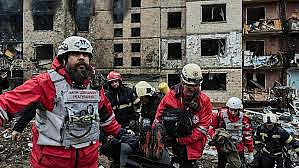
Ukraine Relief & Volunteer Support Program

Purpose:

To provide essential humanitarian aid to civilians affected by the war in Ukraine and support volunteers facing financial hardship while serving communities.

Objectives:

  1. Deliver medical supplies, food, hygiene kits, and essential goods to Ukrainian civilians.
    2.Provide targeted assistance to Ukrainian volunteers (fuel, equipment, transport, food).
  2. Support displaced families, seniors, and disabled individuals.
  3. Strengthen community resilience and crisis response networks.

Activities:

  • Distribution of humanitarian aid kits to families in frontline and liberated regions.
  • Purchasing and delivering medical supplies, tactical first aid (non-lethal), and hospital materials.
  • Providing financial micro-support to volunteers (transport, communication, protective gear).
  • Funding fuel and logistics for volunteer evacuations and deliveries.
  • Partnering with Ukrainian NGOs for safe and transparent operations.
  • Creating reporting systems with photos, receipts, and GPS tracking.

Expected Impact:

  • Improved survival and wellbeing of civilians in crisis zones.
  • Stronger volunteer capacity and stable operations.
  • Faster humanitarian response in emergencies.
  • Increased transparency and donor confidence.

Timeline:

Initial 6-month cycle, extendable to 12 months.

Budget Categories:

  • Food and humanitarian kits
  • Medical supplies
  • Transportation & logistics
  • Volunteer support
  • Communications & equipment
  • Administration & reporting

Program Title:

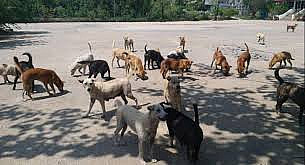
Compassion for Animals Initiative (Street Cats & Dogs Program)

Purpose:

To protect homeless cats and dogs, reduce suffering, and support humane coexistence through rescue, TNR, feeding, veterinary care, and community education.

Objectives:

  1. Reduce the homeless animal population humanely.
  2. Provide veterinary care (vaccination, spay/neuter, emergency treatment).
  3. Support volunteer caretakers with food and supplies.
  4. Promote responsible pet ownership and adoption.

Activities:

  • TNR (Trap–Neuter–Return) operations for street cats.
  • Feeding programs with volunteer networks.
  • Medical treatment, vaccinations, and emergency care.
  • Rescuing abandoned and abused animals.
  • Supplying food, kennels, and shelters for local rescuers.
  • Adoption events and partnerships with shelters.
  • Educational seminars for communities and schools.

Expected Impact:

  • Humane control of cat and dog population.
  • Healthier animals and safer neighborhoods.
  • Reduced shelter overcrowding.
  • Stronger cooperation between residents and rescue groups.

Timeline:

Ongoing, 6–12 month funding cycles.

Budget Categories:

  • Veterinary services
  • Food and feeding supplies
  • TNR equipment
  • Transportation
  • Rescue operations
  • Volunteer support
  • SHELTERS (BUILD AND ORGANIZE)